
What Is a Demo in Music? Meaning and Audio Examples
Published · Updated
Hear one melody as a quick capture and as a demo with chords. Learn what a demo means in music, how it differs from a master and what to send.
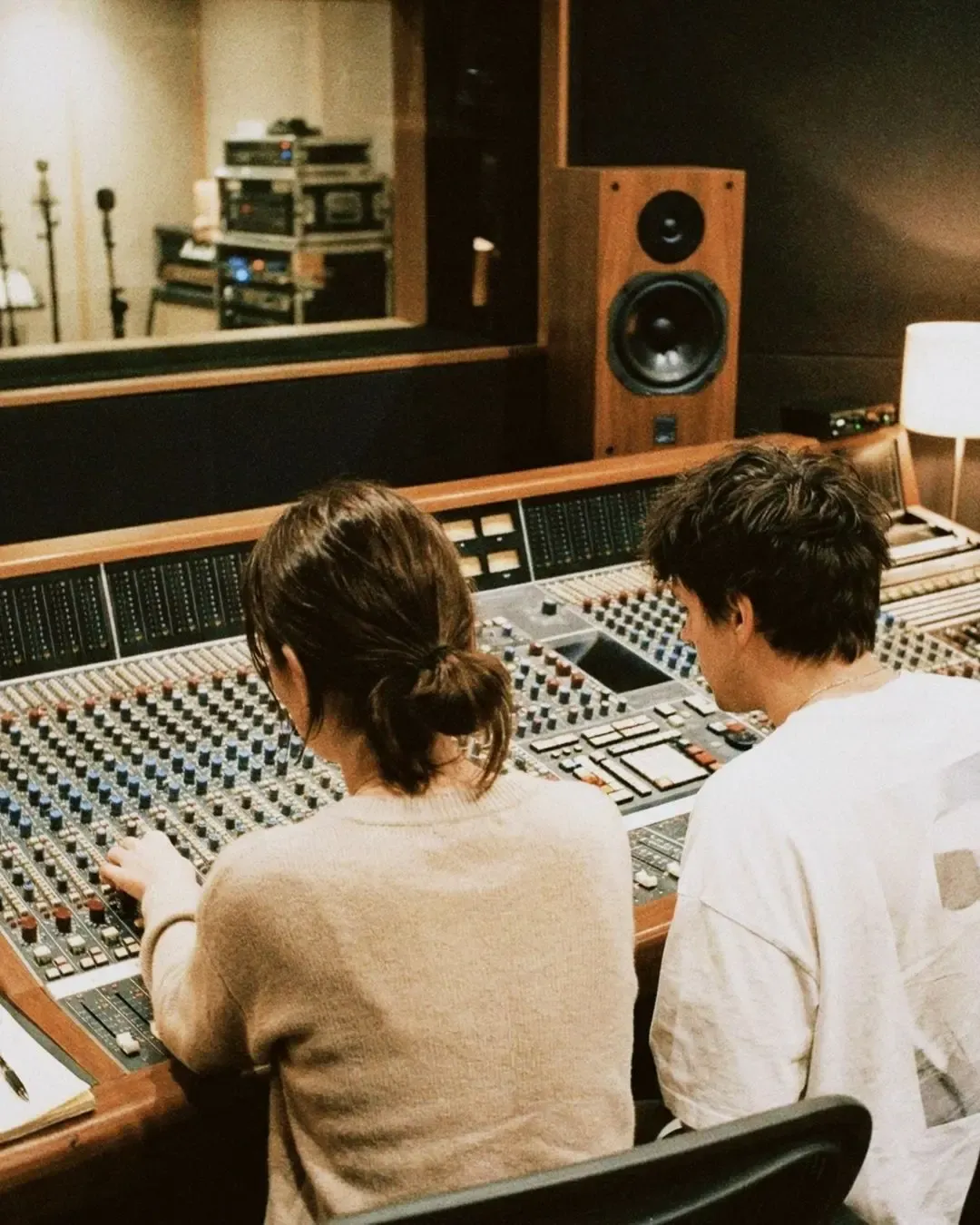
A demo in music is an early recording that shows how a song sounds before its final production. Musicians use demos to develop the writing, rehearse with a band or share a song with a producer or collaborator. A demo can be a voice-and-guitar phone recording or a fuller arrangement with several instruments. A track labelled “(Demo)” on a release is one of these earlier versions, published later.
A phone recording can be a successful demo when the goal is to remember a melody. A carefully arranged multitrack version can be a successful demo when collaborators, producers, or other decision-makers need to understand the complete song. The useful question is not “Does this sound professional?” but “Can the intended listener make the next decision?” Hear the difference in two short audio examples: the same melody as a quick capture and as a demo with chords.
Before sharing your recording, fill in the demo feedback brief to give your listener a specific passage and question.
Quick definition
A music demo is a working recording made to communicate, evaluate, or develop a song before the final production is complete. It can be a simple voice memo or a more elaborate recording; the right level depends on the decision it needs to support.
| Material | Question it answers | Typical finish level | Do not confuse it with |
|---|---|---|---|
| Voice memo | What idea appeared? | Minimal capture | An organized demo |
| Demo | Does the song, structure, or arrangement work? | Enough detail to decide | A release-ready master |
| Rough mix | How do the tracks in a production work together? | Provisional mix | An approved final mix |
| Master | Which file is the final release deliverable? | Final delivery | A creative draft |
Hear the difference: the same idea as a capture and as a demo
Both excerpts are original, synthesized examples built on the same eight-bar melody at 96 BPM, in C major. Play the first, then the second, and listen for what the added parts let another musician decide.
This is what a quick capture keeps: the tune and its rhythm. That is enough to remember the idea and try words against it — you can do that with this same melody in the lyric-writing exercise. What it cannot tell anyone is which chords you hear underneath.
Listen for three moments:
- 0:00–0:02, four count-in clicks. They set the tempo, so a drummer or guitarist can come in with you.
- 0:12–0:17, A minor, then F. The melody notes have not changed, yet the phrase turns more wistful. That is a harmonic choice, and a collaborator can only react to it when the chords are on the recording.
- 0:17–0:22, G, then C. The last note lands on the home chord, so the phrase sounds finished. Ending on F would leave it open, which could suit a chorus that leads into another section.
Chords, one per bar: C – C – G – Em – Am – F – G – C, in 4/4 at 96 BPM. With that line beside the recording, a bandmate can already play along.
Try it with your song: record the melody on its own, then a second take with the chords you hear. Keep both takes in one project and write the chord line and your question in a note — for example, “Does the A minor in bar five suit the chorus?” In Zoundroom, record each take from inside that note: it lands right under the line you’re on, so the question and both recordings share one page. Record and organize your song ideas.
Demo, voice memo, and master recording
These terms overlap in everyday speech, but the distinction helps:
- Voice memo or capture: preserves a fragment before it changes or disappears.
- Demo: communicates enough of the song to develop, rehearse, evaluate, pitch, or plan it.
- Master or release recording: is prepared as the version intended for public distribution, subject to the artist’s production choices.
What “demo” means when you see it on a released song
Listeners usually meet the word in three places:
- “(Demo)” after a track title: an earlier recording of the song, released later — often on deluxe editions, anniversary reissues or archive collections. Expect a rawer sound, and sometimes different lyrics, tempo or structure from the version you know.
- Demo tape: the older name for a demo sent on cassette to labels, venues, radio stations or other artists. Today it is usually a private link or a few audio files.
- Demo album or demo EP: a collection of demos, often made by a new artist or band to introduce their songs before a formal release. For track counts, see how many songs are on an EP.
A demo can even become the record. Bruce Springsteen’s Nebraska (1982) came from four-track cassette recordings he made at home, originally meant as demos of songs to record with the E Street Band (Ultimate Classic Rock). Those recordings were still made for the same reason as any demo: to hear the songs and decide what to do with them.
Three useful types of demo
1. Capture demo
Purpose: preserve the idea.
It may contain one voice, one instrument, a hummed melody, or a beat played through a speaker. Speed matters more than fidelity: the phone’s own recorder or a free voice recorder in your browser is enough.
It succeeds when, days later, you can identify the idea and reproduce what made it worth saving. Give it a working title and one sentence of context; otherwise the audio may survive while the meaning is lost.
2. Development demo
Purpose: make songwriting and arrangement decisions.
It should show the current structure, melody, harmony, and enough rhythm or texture to evaluate the song. The parts do not need release-ready sound, but they should be clear enough that collaborators can distinguish a writing problem from a recording problem. A free multitrack app is often enough for this stage; this comparison of free recording apps shows where each one hits its limit.
A development demo often changes repeatedly. Mark one current reference, preserve meaningful milestones, and note what each new version is testing.
3. Presentation demo
Purpose: let someone outside the writing process understand the intended song.
The listener may be a producer, vocalist, publisher, band member joining late, or another collaborator. Remove distractions that would make them misread the composition. That may require tighter performances, a clearer balance, and a more complete arrangement than an internal working demo.
A presentation demo is not automatically a cheaper master. It has a different contract: communicate the song and intended direction well enough for the recipient’s decision.
Three demos of the same song
Imagine a song called “Last Train Home”. Its central idea is a quiet verse followed by a chorus that feels like a decision. The right demo changes as the song develops.
| Stage | What you record | What another person can do with it |
|---|---|---|
| First idea | Twenty seconds of a sung chorus and a spoken reminder: “the last line rises” | Help you remember and repeat the melody |
| Writing session | A complete voice-and-guitar pass with verse two still marked as provisional | Hear whether the second verse adds something and whether the chorus arrives at the right moment |
| Before rehearsal | The chosen structure, a clear count-in and a second take demonstrating the proposed chorus harmony | Learn the form and prepare the part you want to try together |
These are examples of different jobs, not a ladder every song must climb. A solo acoustic release may need a different path from a band arrangement. The demo has done its job when its listener can take the intended next step.
What should you write beside the recording?
For the rehearsal version, a short message could be:
Last Train Home — rehearsal reference
4/4, 96 BPM. Structure: intro, verse, chorus, verse, chorus, bridge, final chorus.
Keep the first verse quiet. Try the harmony only in the final chorus.
Decision for rehearsal: should the bridge stay at eight bars or shorten to four?
A new bandmate can now prepare something specific. If you send a producer a presentation demo, change the brief: explain the intended sound and what kind of help you want with the arrangement.
What a demo should contain
The answer depends on its purpose. A practical minimum is:
| Decision | What the demo must reveal |
|---|---|
| Remember the idea | central melody, riff, rhythm, or lyric phrase |
| Finish the writing | structure, harmony, melody, current working lyric |
| Rehearse with a band | count-in or tempo, arrangement, section lengths, key |
| Brief a producer | composition plus references and production intent |
| Present the song | complete journey, intelligible lead, coherent arrangement |
Do not add layers only to make the file feel more serious. Add what helps the intended listener decide.
What a demo does not need
Unless the next decision depends on it, an early demo usually does not need:
- perfect tuning or editing;
- final sound design;
- mastered loudness;
- expensive microphones;
- every instrumental detail;
- artwork or distribution metadata.
Confusing production polish with songwriting progress can delay the decision the demo was meant to make.
A reliable demo workflow
- Write the purpose at the top of the project. “Choose chorus melody” is better than “make demo.”
- Capture the simplest complete reference. One voice and instrument may be enough.
- Name the version by change. Use
new bridgeorshort intro, not onlyv4. - Ask limited questions. A collaborator can answer two focused questions better than “What do you think?”
- Record the decision. State what changes in the next version.
- Archive the milestone. Keep it recoverable while making the new current reference obvious.
For the practical recording process, see how to record a demo at home or how to record a demo with your phone.
Keep each demo with its lyric and its feedback in Zoundroom
In Zoundroom, each song is a project where the demo, the working lyric and your question for the listener stay together, so whoever opens it knows what to listen for and what to decide. Import the demo, or record a new take inside the note, right under the question. To turn a capture into a development demo, open it with “Edit audio” and record the chords or a harmony over it in time, with a count-in and wired headphones, up to 8 tracks. For “Last Train Home”, the rehearsal reference, the bridge question and both bridge versions sit in one note, so the next session begins with that decision.
The answer can land where the problem is. With Pro, comments go on the exact second of the take (“the bridge drags from 1:12”) and replies stay in the same thread instead of a group chat. Commenting is part of Pro and Band, so for a band that reviews every demo, Band covers up to seven people, the owner included, with one subscription. You can try Pro free for 7 days on iPhone and the web.
When the song is ready for its master, record and mix it in a DAW; Zoundroom keeps the demos and the decisions that got it there.
A simple definition to remember
A demo is a recording built to make the next musical decision possible. Its right level of detail is whatever makes that decision clear—no more and no less.
Frequently asked questions
Does a demo have to sound professional?
No. It has to communicate the decisions relevant to its listener. A development demo can be rough; a presentation demo needs more clarity, but it is not automatically a master.
Is a voice memo already a demo?
It can function as a capture demo when it contains enough of the idea to recover it. An isolated fragment with no structure or context may still be only a fragment.
When should I record a new demo?
When the current recording prevents you from judging the song, or when the purpose changes — for example, from remembering an idea to presenting it to another person.
Is the demo ready to send?
Play it once as if you had never heard the song. Can you follow the lead melody, understand the important words and recognize where the sections change? Then read the accompanying question: does this recording actually let the recipient answer it?
If you want feedback on a chorus melody, make that melody audible. If you want a drummer to learn the form, include the complete structure and a count-in. If you want a producer to understand a sound, identify the feature of your reference that matters, such as a dry vocal or a restrained first verse.
Name one current recording in your message. When comparing two options, label the difference — “eight-bar bridge” and “four-bar bridge” — and ask which transition makes the final chorus feel stronger.
Sources
- Berklee Online, Four Critical Listening Tips for Songwriters.
- BMI, 5 Ways to Avoid Mistakes Before You Demo Your Songs.
Prepare your demo for useful feedback
Give your listener one clear version and one decision to help with. Fill in this brief and send it with your recording.
Night Bus — shorter intro — 16 September
Write the file name or paste the listening link you will share.
Whether the chorus feels stronger after a shorter verse.
0:42–1:05, the transition from verse to chorus.
Does the chorus arrive at the right moment, or would you cut two more bars?
Choose the verse length before recording the next take.
Save a draft on this device to return later, or copy or download it. Your answers are not sent to Zoundroom.
Copy the brief into a Zoundroom project note, then import or record the demo in that project. Invite your collaborator so the recording and the question stay together.