
Creative space for musicians: physical, digital, mental
Published · Updated
Create a music-making environment that lowers friction, preserves ideas, and makes unfinished songs easy to resume.
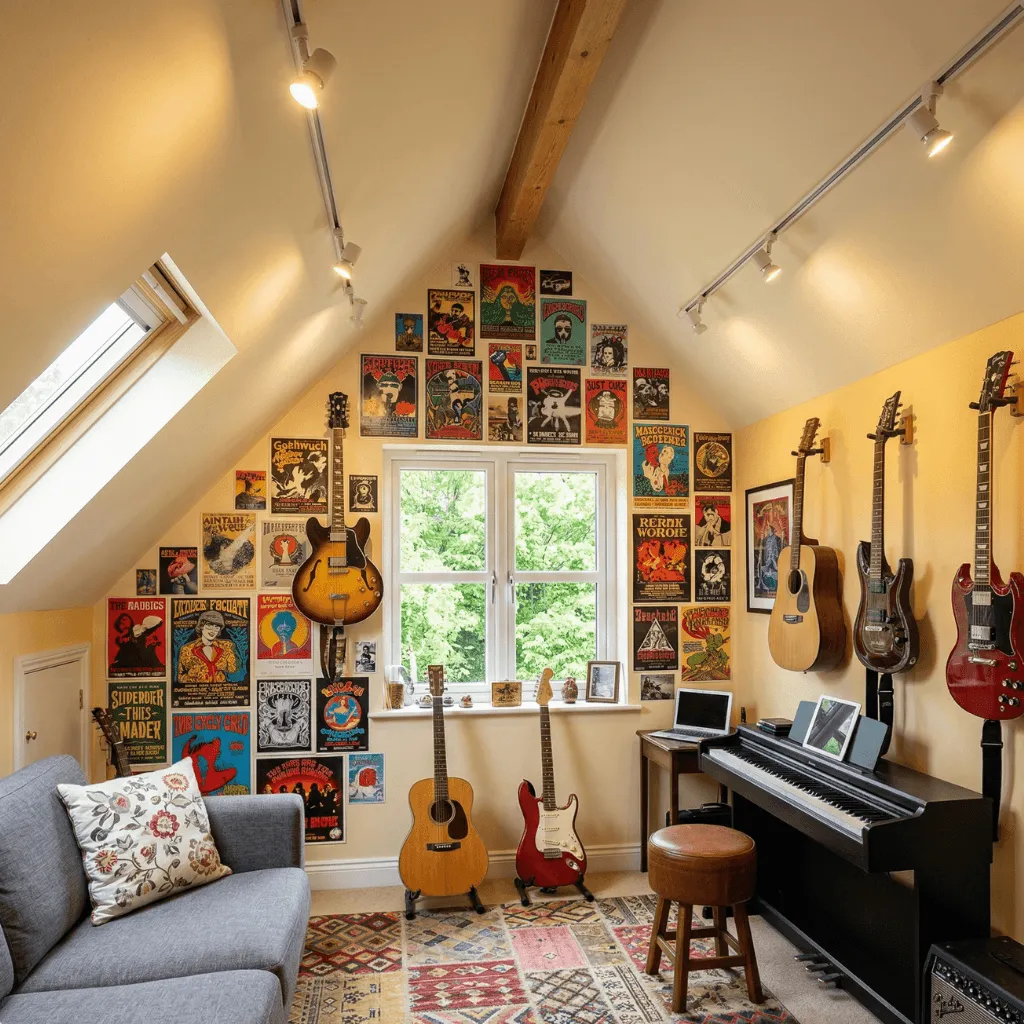
A musician’s creative space is not only a room. It is the combination of physical access, digital continuity, and mental permission that lets an idea appear and remain available long enough to develop.
A beautiful studio can still be awkward to work in. A small desk and phone can support serious writing when the instrument is within reach, captures are named, and every active song has a clear next step.
The physical space: make beginning easy
Keep the first instrument reachable
Reduce the actions between intention and sound. Use a stand, leave the safe parts of the setup connected, and keep necessary accessories together. Store valuable equipment appropriately; accessibility should not compromise safety or maintenance.
Give writing a clear surface
You need enough uncluttered space for the current instrument, notebook, or device. Move administration, packaging, and unrelated work elsewhere.
Control obvious interruptions
Choose a practical quiet area, silence notifications during the session, and tell other people when you need uninterrupted time. You do not need perfect isolation to write, but repeated preventable interruptions can break a fragile idea.
Make recording one action away
Know which app or device captures fastest. Test it before the session. A creative space is incomplete when you can play but cannot preserve what just happened. If you haven’t picked one yet, this comparison of capture apps for song ideas weighs speed against how easily you find the take later.
For a low-cost equipment plan, see the minimalist home studio for songwriting.
The digital side: make it easy to pick up again
Use one project per song
A song project should show current audio, active lyric or notes, meaningful files, open questions, and next action. Specialist tools can remain elsewhere, but the project should point to them.
Keep an inbox for unassigned ideas
Fast captures do not always have a destination. Put them in one reviewable inbox and process it at a fixed time. An inbox is a temporary state, not an archive.
Separate active work from history
Limit the number of songs demanding current attention. Move paused and completed material into labelled areas without destroying it.
Protect and back up the work
Use reliable storage, account recovery, and backups appropriate to the value of the material. Shared projects should not depend on one person’s personal device or password.
The mental side: make imperfection allowed
Define the mode
At the start, choose one:
- generate;
- develop;
- evaluate;
- organise;
- perform.
Trying to perform all five at once makes every decision expensive.
Use an opening ritual with a job
A ritual can be as small as tuning, listening to the current reference, and reading the next action. Its value is practical: it reconnects you with the project.
Set a finish line for the session
“Work on music” has no boundary. “Record three chorus melodies and select one for tomorrow’s demo” does.
Close the session deliberately
Before leaving:
- save or export the current state;
- mark the current reference;
- write the next action;
- return equipment safely;
- put loose captures in the inbox.
The closing ritual protects the next opening.
A writing space you can pack away after twenty minutes
If you share a kitchen table or bedroom, keep a small session kit together: headphones, charger, notebook and the cable or pick your instrument needs. Choose one song before unpacking. Spend two minutes opening its last recording and next-action note, fifteen minutes writing or playing, and three minutes saving a full take and one sentence for tomorrow.
For example: “Tomorrow, sing the second verse with the shorter final line.” Put that sentence beside the recording before returning the kit to its usual place. Next time, set out only what that task needs. You can build continuity even when you cannot leave a studio assembled.
A creative-space audit
Rate each statement yes or no:
- I can start making sound in under a few minutes.
- I can record without configuring a new system.
- I know where unassigned ideas go.
- Every active song has one current reference.
- I can find the active lyric or notes.
- My work has a backup and recoverable account access.
- Collaborators can reach what they need without my device.
- Each session ends with a next action.
Fix the first “no” that causes repeated loss or delay. Do not redesign everything for aesthetics.
Where Zoundroom fits
Use one Zoundroom project for that twenty-minute session. Keep the current recording and lyric note together, then add the new take before you pack away. End the note with the exact line or section you want to try next. When you return, open the project and listen to that take while reading your next step.
For the detailed project method, read how to organise music in progress. For ideas that arrive away from the room, use the method for capturing ideas anywhere.
The best creative space is not the most impressive one. It is the environment that lets you begin quickly, keeps the idea intact, and tells you where to continue.