
How to capture musical inspiration before it disappears
Published · Updated
A low-friction capture system for melodies, lyrics, rhythms, and production ideas—plus a review habit that turns fragments into usable songs.
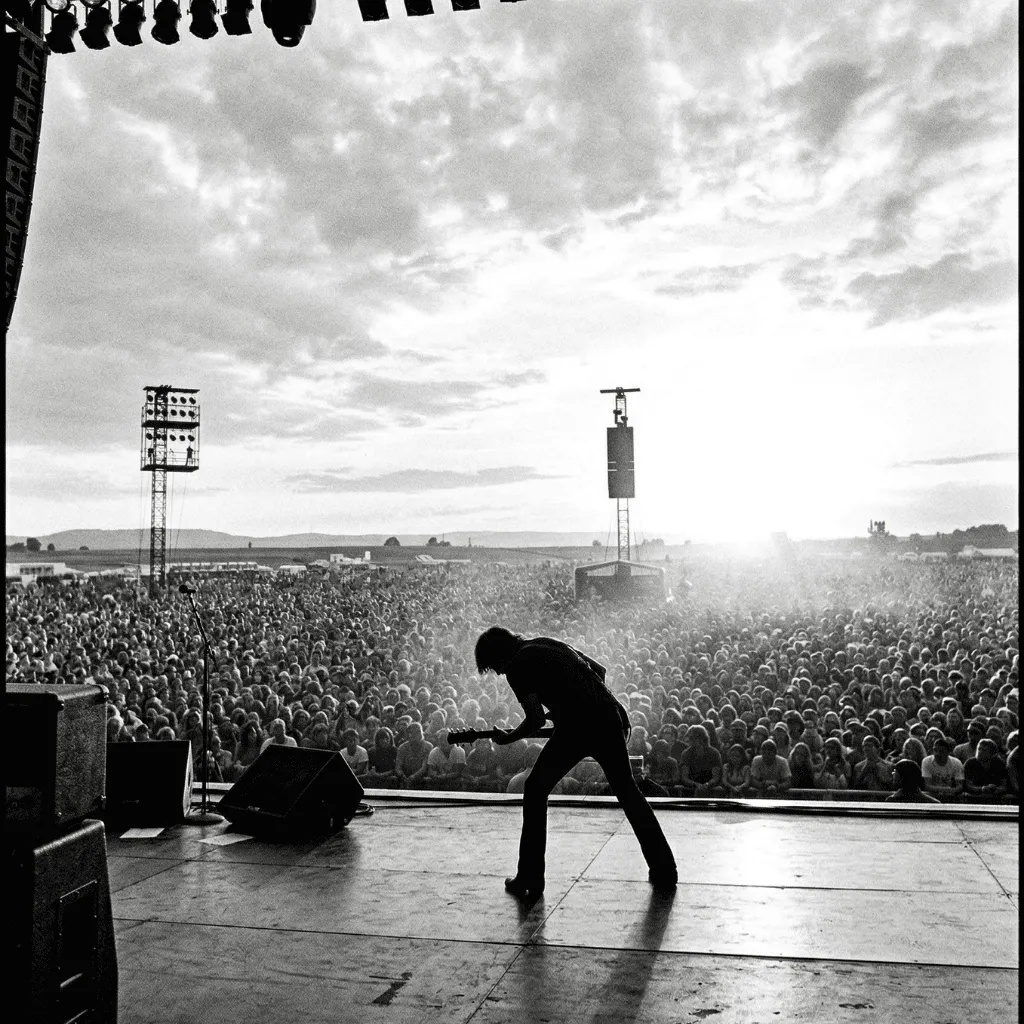
Musical inspiration rarely arrives in a format your future self can use. It arrives as a three-note contour while walking, a title during a conversation, or a rhythm tapped against a table. The real skill is not forcing ideas to appear. It is preserving enough information to recognise and continue them later.
The system needs two speeds: capture in seconds, review with intention. Trying to organise while the idea is still forming creates friction. Capturing without review creates a graveyard of unnamed recordings.
Build one capture path for each kind of idea
You do not need one format for everything. You need a known destination.
Melody or rhythm
Record audio immediately. Include a count-in or tap the pulse before the idea. If harmony matters, name the chord or play a reference note. A ten-second recording with context can be more useful than a polished minute without it.
Lyric, title, or image
Write the exact phrase first. Add explanation afterward. If the cadence matters, speak or sing it as audio as well; punctuation cannot preserve every stress.
Chord or arrangement idea
Record the sound and add a short note such as “pre-chorus rises but chorus drops to half-time.” The note captures function, not only harmony.
Production or sound idea
Describe what the sound should do in the song: “narrow verse opens into a wide chorus,” not merely “cool synth.” If a reference track prompted the idea, save a link and the relevant moment without copying protected material into your project.
Use a capture name you can search
Rename useful ideas before the day ends. A simple pattern is:
date + recognisable phrase + type
For example:
2026-08-29 train-window chorus melody2026-08-29 no-reply lyric image2026-08-29 half-time bridge rhythm
Do not wait for the final song title. Searchability matters more than elegance.
Add three pieces of context
When you have thirty extra seconds, attach:
- What is it? Chorus, verse image, groove, transition, sound.
- What made it interesting? The leap, the phrase, the tension, the texture.
- What is the next test? Add chords, rewrite line two, sing lower, try with the band.
That last question converts a souvenir into a task.
Example: leave a recording your future self can use
A melody appears while you are away from your instrument. When it is safe to stop, make one short recording in this order:
- Tap or count the pulse for a few beats.
- Sing the phrase twice, including the breath or pause that makes it distinctive.
- Say one sentence of context: “Possible chorus; keep the long last note; try a quieter verse before it.”
A working name might be “Night bus — chorus — long ending.” The name helps you find the file; the spoken sentence explains what to do with it. You do not need to know the key or exact tempo to preserve the idea.
Compare these two notes:
| Note | What the next session can do |
|---|---|
| “Good idea, develop later” | Start by guessing why it mattered |
| “Hold the last word; try a short verse with fewer notes” | Record a specific transition and compare it |
At your next review, listen before reading the explanation. If the phrase still suggests a song, put it with the relevant lyric or create one project for it. If it does not yet have a next test, keep the descriptive name and set it aside. The capture succeeds when you can reconstruct the idea, not when you have fully organised it on the spot.
Capture on the device already in your hand
On iPhone, Voice Memos provides immediate recording and sharing. Any recorder can work if you have a reliable transfer rule. Zoundroom can record or import audio into a song project from mobile or browser, and keep recordings with lyrics, notes and tags, plus PDFs and timestamped feedback on Pro.
The best capture tool is the one you can open without negotiating with yourself. A browser tab works too: the online voice recorder needs no account and uploads nothing, so download the take before you close the tab. The best storage system is the one that makes the capture understandable later. They may be the same tool or two tools connected by a clear routine. This comparison of song-idea apps checks how quick recorders and song organizers handle both jobs: capturing an idea and finding it again.
Review the inbox twice a week
A capture inbox is not an archive. Review it on a fixed rhythm before it becomes intimidating.
For each fragment, choose one action:
- Promote: it belongs to an existing song or deserves a new project.
- Combine: it unlocks another fragment.
- Incubate: it is interesting but has no next move yet.
- Archive: keep it searchable but remove it from active attention.
- Delete: it has no remaining value.
Avoid rating ideas as “good” or “bad” in isolation. Ask whether they create a specific next experiment.
Promote an idea into a song project
An idea has become a project when you are willing to give it a second focused session. Create a home containing:
- the source capture;
- a working title;
- one-sentence center or purpose;
- any lyric, chords, or references that belong with it;
- the next test;
- the current reference version once one exists.
For the development stage, see how to turn captured ideas into songs. For the wider system, use the five-step music organisation method.
Capture without stealing your attention
Not every passing thought deserves a phone interruption. If you are driving, performing, speaking with someone, or doing something unsafe, let the idea go. Creativity is not more important than safety or presence.
You can also use deliberate capture windows: five minutes after a walk, rehearsal, or listening session. This preserves the benefit of low-pressure thinking without turning the entire day into documentation. Why walks and pauses help at all is covered in how musical ideas form, which treats movement and incubation as two of six ingredients.
Common failure modes
Recording too little
A hummed melody without pulse, starting note, or words may be impossible to reconstruct. Add one anchor.
Recording too much
Twenty minutes of unfocused improvisation hides the useful ten seconds. Mark the moment or extract a shorter reference during review.
Treating the inbox as the system
A recorder is a doorway. Developed material needs a song home, current version, and next action.
Waiting for a perfect label
Use a rough searchable phrase now. Rename when the song earns a real title.
The minimum viable habit
- one-tap capture;
- immediate rough name;
- one sentence of context;
- two inbox reviews per week;
- promotion into a project only when there is a next test.
Inspiration does not need to arrive more often. Your process needs to lose it less often—and recognise what to do when it returns.
When the recorder inbox is already full, move from capture to cleanup with the Voice Memo Cleanup Checklist.